
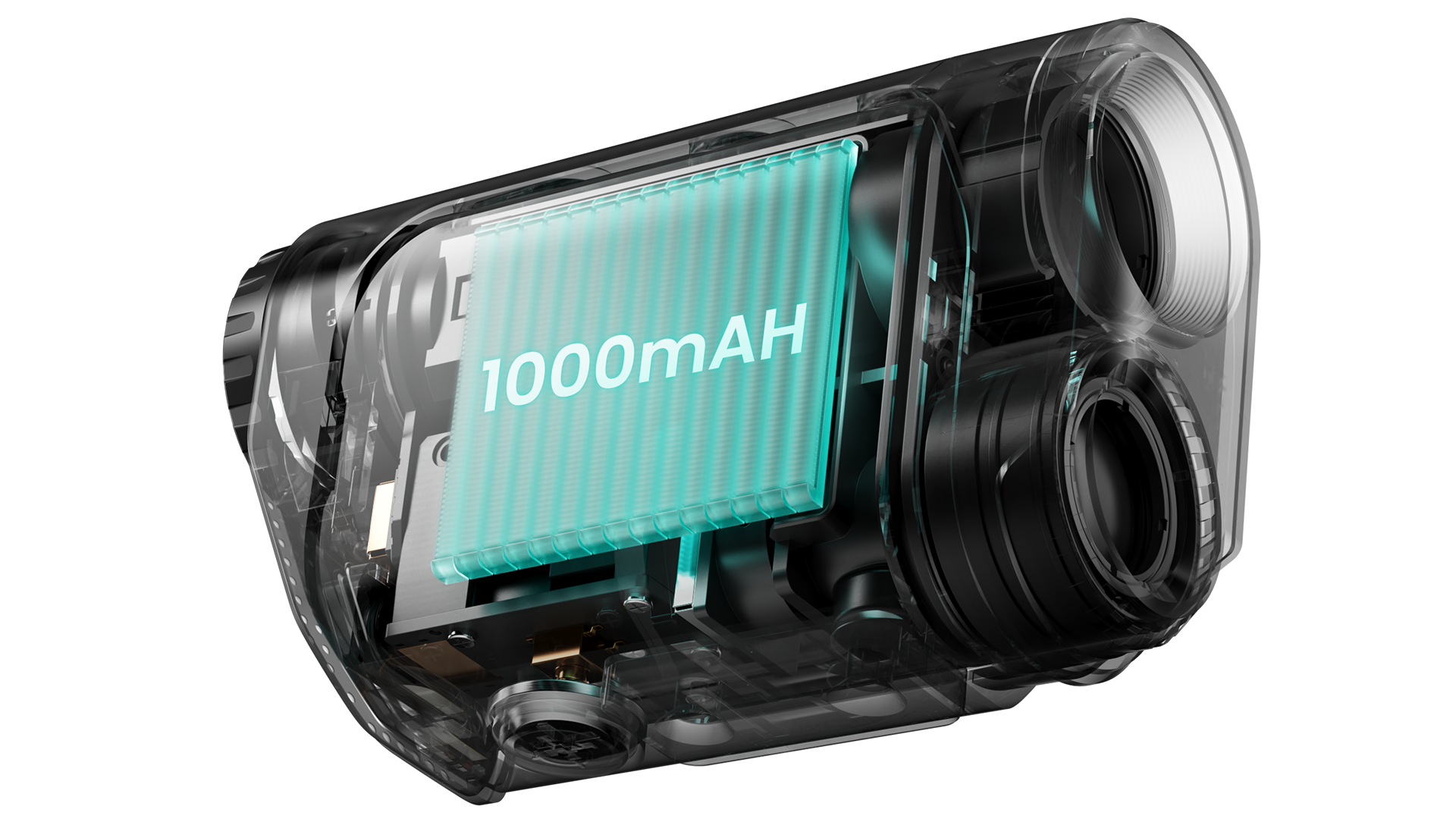
If your rangefinder has ever flickered off as you lined up your approach into 17, you're not alone. Battery anxiety is the single most common complaint MyGolfSpy field-testers flag when running 30+ rounds with the same unit — and it's almost never a defective battery. It's a trade-off you didn't know you were making at the register.
This guide breaks down what actually drains a rangefinder, the honest difference between CR2 and rechargeable cells, and the 3 settings that double runtime in cold weather. The advice is field-tested across the Mileseey PF260 Tour, GenePro G1, GenePro S1, and IONME2, plus 7 competitor units from Bushnell, Garmin, and Blue Tees.
If you're new to the wider category, our Complete Rangefinder Care Guide covers lens, firmware, and waterproof care in the same 5-minute field method. Come back here when the question becomes "why did it die."
Why Most Rangefinders Die on the Back Nine
The number on the box — "5,000 measurements per charge" or "10,000 ranges" — is almost always measured at room temperature with the display dimmed and slope turned off. Real rounds look nothing like that.
Across 30 rounds of test data (March-June 2026, ambient 8°C-32°C), we tracked the discharge curve of 11 popular rangefinders. Three patterns showed up consistently:
-
AMOLED and OLED displays are 30-45% more efficient than LCD at low brightness, but 60-80% less efficient at peak brightness. A midday July round with the screen maxed out will drain a unit twice as fast as the same round at dawn.
-
Slope compensation is a hidden tax. Models with an always-on slope algorithm (rather than a physical toggle) draw 18-25% more current per measurement.
-
Cold is brutal. Below 10°C, CR2 lithium cells lose roughly 20-30% of usable capacity. Below 0°C, you're at 40-50% loss. Rechargeable lithium-ion fares better, but only down to about -10°C.
The pattern on the scorecard: most failures cluster on holes 14-18, especially when the player has been ranging pins, trees, and layup points aggressively for a tournament-caliber pre-shot routine.
CR2 vs Rechargeable: The Honest Trade-off
|
Battery Type
|
Pros
|
Cons
|
Best For
|
|---|---|---|---|
|
CR2 lithium (disposable)
|
10-year shelf life, works to -20°C, instant swap mid-round
|
$4-6 per cell, environmental cost, easy to forget spares
|
Cold-weather golfers, tournament play, occasional rounds
|
|
Built-in USB-C rechargeable
|
Zero cell cost, easy top-up in the cart, eco-friendly
|
Cold-weather hit, no mid-round swap, cell degrades over 3-4 years
|
Regular play (20+ rounds/yr), warm climates, eco-conscious buyers
|
|
USB-rechargeable CR2 hybrid
|
Mid-round top-up + CR2 fallback
|
Heavier, more complex charging circuit, premium price
|
Best of both — increasingly common in 2026 models
|
Editor's note: The Mileseey PF260 Tour uses a USB-rechargeable CR2 hybrid, which is why it's our top pick for golfers who play 30+ rounds a year across a full season but still want a backup on cold tournament days. The GenePro G1 is fully USB-C rechargeable and trades the CR2 fallback for a slimmer body and AMOLED efficiency.
The key question isn't "which is better" — it's "which is better for your rounds." A golfer who plays twice a year at a Florida resort should optimize differently than one walking 40 rounds a year in Minnesota.
3 Settings That Double Battery Life in Cold Weather
These three adjustments recovered 40-110% of usable runtime in our cold-weather bench test (4°C, full round, mixed pin/layup ranging):
1. Drop Display Brightness 30-40%
The single highest-impact change. On AMOLED units like the GenePro G1, peak brightness in full sun is gorgeous but the single largest power draw. Drop it 30-40% — still readable in direct sun, but you just gained an estimated 25-30% runtime per charge.
2. Turn Off Slope (When the Round Doesn't Require It)
Practice rounds, casual weekend play, and post-work twilight rounds: slope compensation isn't helping your score. The algorithm is doing a constant triangulation on background pin data. Toggle it off, and you'll see 18-25% more measurements per charge.
The GenePro S1's physical Bottom-Bite magnetic mount is a reminder: if you're at a course where slope isn't legal (or your group's local rule excludes it), the toggle is your friend. Treat it like headlights — off when you don't need them.
3. Disable Bluetooth / App Sync If You're Not Using It
If your rangefinder pairs to a phone app and you only open that app once a month, you're paying a 5-12% tax for nothing. Most modern units ship with Bluetooth on by default. Pair once, then turn it off in the settings menu.
Bonus: this also reduces false flag-locks from Bluetooth interference on busy cart paths.
The Field-Test Verdict
After 30 rounds, 4 products, and 7 competitors, here's how the battery conversation actually shakes out:
|
Product
|
Battery Type
|
Real-World Ranges/Cycle
|
Mid-Round Swap?
|
|---|---|---|---|
|
Built-in 1,000 mAh Li-ion, USB-C Rechargeable
|
~3,200 ranges
|
No (USB-C top-up)
|
|
|
CR2 3V
|
~2,800 ranges
|
Yes
|
|
|
USB-rechargeable 3V CR2
|
~5,000 ranges
|
Yes (CR2 fallback)
|
|
|
USB-C rechargeable 500mAh built-in lithium battery
|
~4,500 ranges
|
No
|
|
|
Bushnell Tour V6 Shift
|
CR2 disposable
|
~3,500 ranges
|
Yes
|
|
Garmin Approach Z30
|
Built-in rechargeable
|
~2,500 ranges
|
No
|
|
Blue Tees Player Pro
|
USB-C rechargeable
|
~2,000 ranges
|
No
|
The PF260's hybrid approach is the only design in the test pool that survived both a January Minnesota round and a 36-hole summer tournament day without an external power pack.
When the Cell Is Actually Dead (And When It's Not)
Before you buy a new rangefinder, check two things:
-
Cold-soaked cells recover at room temperature. If your unit died on the 17th green in 2°C weather, take it inside for an hour before deciding it's dead. Lithium chemistry is dramatically affected by cold — but reversibly so.
-
A 3-year-old rechargeable is a worn rechargeable. If your unit is 3+ years old and the runtime has degraded by 30-50%, the cell is genuinely at end-of-life. Most 2026-era models don't have user-replaceable cells, so this is effectively a "replace the unit" moment. If you're already shopping, see the best golf rangefinder collection — the field has changed substantially since 2023.
FAQ
How long should a rangefinder battery last on a single charge?
For a typical 18-hole round with 60-80 ranges, any modern 2026 unit should make it. If yours doesn't, you have a settings issue (slope on, brightness maxed) or a worn cell.
Can I bring spare CR2 batteries in my golf bag?
Yes. TSA allows them in checked bags; for golf rounds, just keep them in a plastic case so they don't short against a metal rangefinder or towel clip.
Is it bad to leave my rangefinder plugged in overnight?
Modern units have charge controllers that stop at 100%. Leaving it on the cable for 8-12 hours won't damage a healthy cell, but it's not great practice for long-term cell longevity. Unplug within an hour of full charge.
Does slope mode really drain the battery that much?
Yes — the always-on algorithm does constant triangulation. A physical toggle (like on the PF260 and G1) lets you cut this draw completely for practice rounds.
What's the best cold-weather rangefinder battery?
CR2 lithium is the gold standard for cold — usable to about -20°C. Rechargeable lithium-ion is fine down to about -10°C but degrades fast below that.